
Program Overview
Program Starts In
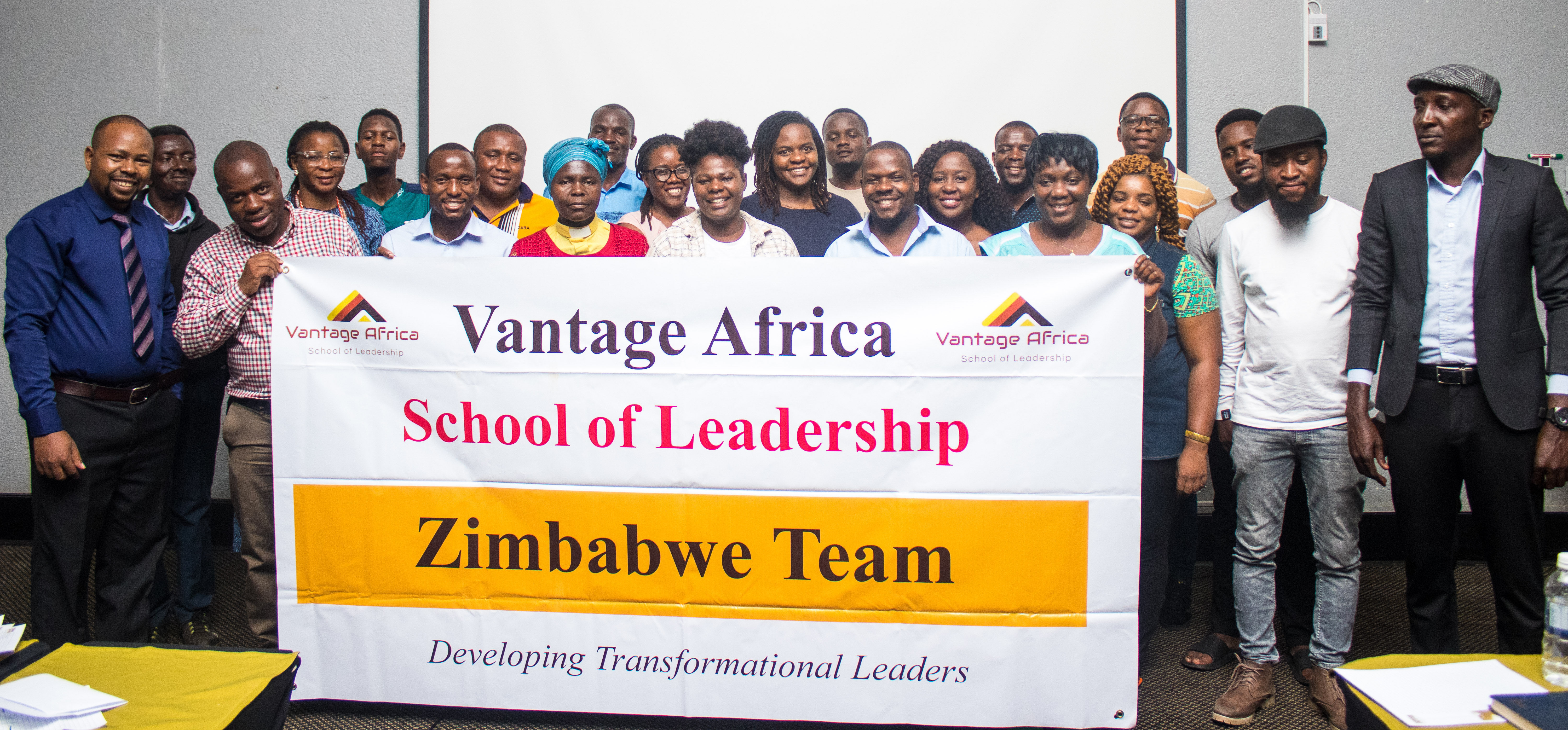
We Have Conducted Trainings in 28 Countries Across Africa
Here are some of them





Our Background and Expertise
Vantage Africa has established itself as a premier provider of professional capacity-building programs across the continent. Through our Training of Trainers (ToT) program, we have equipped facilitators, consultants, and organizational leaders with the skills to design and deliver high-impact learning experiences. Our expertise lies in translating proven adult learning principles into practical training methods that drive engagement, retention, and results.
Our Philosophy
We believe that great training begins with great trainers. Our philosophy is built on the idea that effective trainers do more than share knowledge—they inspire transformation. By combining facilitation mastery, instructional design, and communication excellence, we empower trainers to create learning environments that unlock potential and deliver measurable outcomes across Africa.
How We Conduct Our Trainings
(and why our methodology works)
Our Unique Approach
We believe that effective training is not about how much content a facilitator can deliver, but how much learning they can inspire. Our Virtual Training of Trainers (ToT) program is designed around building competence, not just knowledge. Through interactive live sessions, practical assignments, and peer-to-peer engagement, participants are guided to apply adult learning principles in real-life training scenarios. The role of the facilitator is not merely to teach, but to observe, mentor, and verify that each participant has demonstrated the core competencies required to design, deliver, and evaluate transformative learning experiences. By the end of the program, participants don't just know how to train—they have become effective trainers.
Discover the Foundations of Training
Every participant begins by exploring what effective training really means. You'll understand the difference between teaching and facilitation, grasp key adult learning theories, and begin to see yourself as a guide who enables discovery rather than one who simply delivers content.
Conduct Training Needs Analysis
You'll learn how to identify learning gaps and transform them into clear training objectives. This phase teaches you to analyze learner profiles, define competencies, and align training outcomes with organizational or individual performance goals.
Design Powerful and Practical Training Programs
Here, you'll translate needs into structured learning journeys. You'll design session plans, select learning methods, and set SMART objectives that ensure your training remains focused, relevant, and results-driven.
Apply Adult Learning Principles in Practice
You'll master the principles of adult learning (andragogy)—how to engage mature learners, encourage participation, and foster peer learning. By applying experiential learning, reflection, and dialogue, your sessions become more interactive and impactful.
Master Facilitation and Communication Skills
This phase focuses on transforming fear into power. You'll learn practical tools to control nervousness, manage stage fright, and use confidence-building exercises. The goal is not to eliminate fear but to perform powerfully despite it.
Manage Group Dynamics and Difficult Learners
You'll develop the emotional intelligence and tact to navigate different personalities, conflicts, and attention levels. This step equips you with real-world techniques to manage disruptions, motivate disengaged learners, and maintain a safe, positive environment.
Evaluate Training Effectiveness and Gather Feedback
Training doesn't end with delivery. You'll learn how to measure learning impact using tools like post-training evaluations and feedback forms. You'll practice reflecting on performance, refining future sessions, and ensuring your work delivers lasting results.
Demonstrate Competence and Earn Certification
In the final phase, you'll design and deliver a complete facilitation session, applying all the skills learned. Through peer and facilitator review, you'll demonstrate your ability to train, evaluate, and adapt effectively. Upon successful completion, you'll become a Certified Trainer of Trainers—ready to design, facilitate, and transform learning experiences across any setting.
This approach has produced excellent professionals across the continent who do not just have "book knowledge", but can deliver results in the field.